Friday, March 10, 2023

NEW and FIRST: Forget What You've Heard, Jack Daniel's Is Ready To Tell U.S. Supreme Court Justices: "Alcohol and TOYS Don't Mix"; Arizona-Based Case (READ Brief)

UPDATE, 6/8, 7:30am: 

The U.S. Supreme Court ruled unanimously against an Arizona-based novelty dog toy company this morning, finding that its squeak toy mimicing Jack Daniel's iconic bottle is not automatically protected as a "parody".

Justice Elena Kagan wrote the opinion (complete with pictures), and found that VIP Products used much of the whiskey's iconic imagery (bottle, lettering, etc) as its own marks, and thus the courts should not use a test ("the Rogers test") which puts the burden on the established trademark holder.

A parody must “conjure up” “enough of [an] original to make the object of its critical wit recognizable.” Yet to succeed, the parody must also create contrasts, so that its message of ridicule or pointed humor comes clear. And once that is done (if that is done), a parody is not often likely to create confusion. Self-deprecation is one thing; self-mockery far less ordinary. So although VIP’s effort to ridicule Jack Daniel’s does not justify use of the Rogers test, it may make a difference in the standard trademark analysis. Consistent with our ordinary practice, we remand that issue to the courts below."

Kagan mercifully kept the joke attempts to a minimum, although she began the opinion with this line: "This case is about dog toys and whiskey, two items seldom appearing in the same sentence."


***

ORIGINAL ARTICLE, 3/10: "NEW and FIRST: Forget What You've Heard, Jack Daniel's Is Ready To Tell U.S. Supreme Court Justices: "Alcohol and TOYS Don't Mix"; Arizona-Based Case (READ Brief)"

Forget what you've learned in the past. In its years-long quest to shut down an Arizona-based company's dog squeaker, Jack Daniel's gave a scary message to the U.S. Supreme Court today:

"...alcohol and toys don’t mix well, and the same is true for beverages and excrement. The next case could involve more troubling combinations— food and poison, cartoon characters and pornography, children’s toys and illegal drugs, and so on."

Jack Daniel's Properties and Arizona-based VIP Products will present oral arguments to the Justices in less than two weeks, about whether the "Bad Spaniels" squeak toy and other "humorous uses" of another's trademark is subject to the usual "likelihood-of-confusion analysis". 

Expect at least some of the Justices and at least one attorney to try to pun their way into their oral arguments (or questions), as Jack's attorneys (including one Phoenix attorney) have - inadvertently or not - done.

The case began in Arizona's U.S. District Court more than 6 years ago. (We have commented on it at least once since.) And, this is actually the second time Jack has asked the Supreme Court to reverse the lower courts - the Justices declined in 2021, prompting further litigation.

This time around, the Justices have agreed to look at the likelihood-of-confusion analysis and the lower court's finding that VIP's "humorous use of another's mark as one's own on a commercial product is "noncommercial'...thus barring as a matter of law a claim of dilution by tarnishment".

(I may be alone on this, but buying the "Bad Spaniels" toy for my non-spaniel dogs would make me more likely than I already am to enjoy my Jack Daniels.)

Other less-humored brands - including Campbell's Soup and Levi Strauss - have weighed in in support of Jack, and law professors around the country have filed friend of the court briefs on - as you might expect - both sides of the issue.

Tune in March 22 for the oral arguments, with a decision to follow. (Do not expect a squeaky toy to replace the gavel, however.) And, if you are so inclined, I recommend the rest of Jack's introductory portion of today's Reply Brief, below.

"AZ Law" includes articles, commentaries and updates about opinions from the Arizona Supreme Court, U.S. Supreme Court, as well as trial and appellate courts, etc. AZ Law is founded by Phoenix attorney Paul Weich, and joins Arizona's Politics on the internet. 

AZ Law airs on non-profit Sun Sounds of Arizona, a statewide reading service that provides audio access to printed material for people who cannot hold or read print material due to a disability. If you know someone who could benefit from this 24/7 service, please let them know about member-supported Sun Sounds. And, YOU can donate or listen here. 

Previous episodes of AZ Law can be streamed or downloaded here, or wherever you get your podcasts.


Tuesday, March 7, 2023

BREAKING: AZAG Mayes Sues Cochise County For Invalid Handover of Elections Duties (READ Complaint)

Arizona Attorney General Kris Mayes announced today that her office filed suit against Cochise County over last week's "unqualified handover" of election duties from the Board to County Recorder David Stevens.

She noted that legitimate agreements to share the duties are acceptable, but that this steps "far over the legal line".

The Complaint urges the court to grant an injunction stopping the Feb. 28 agreement, and it attaches both the original draft agreement that the AGO objected to and the amended agreement that passed by a 2-1 vote of the Supervisors.

It also focuses on the Board's promise to pay whatever monies Stevens authorizes, and asks the Court to stop any such payments. 

Although not cited in the Complaint, Stevens has long advocated for placing watermarks, QR codes and other alleged security measures. He has worked with former colleague Mark Finchem and a Texas supplier on those issues, and they helped place a $1M budget line in Arizona's current budget to test them out.

The suit is being filed in Cochise County Superior Court, but is likely to be assigned to a judge in Tucson.

(This is a developing story. Please check back for updates.)

"AZ Law" includes articles, commentaries and updates about opinions from the Arizona Supreme Court, U.S. Supreme Court, as well as trial and appellate courts, etc. AZ Law is founded by Phoenix attorney Paul Weich, and joins Arizona's Politics on the internet. 

AZ Law airs on non-profit Sun Sounds of Arizona, a statewide reading service that provides audio access to printed material for people who cannot hold or read print material due to a disability. If you know someone who could benefit from this 24/7 service, please let them know about member-supported Sun Sounds. And, YOU can donate or listen here. 

Previous episodes of AZ Law can be streamed or downloaded here, or wherever you get your podcasts.

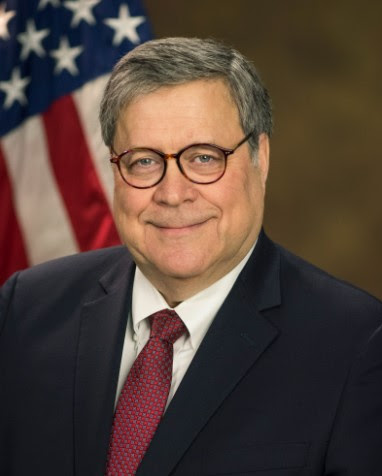
BREAKING: Bill Barr-Founded Elections Organization and Arizona Free Enterprise Club Sue To Change Signature Verification Process (READ Complaint)

A national organization founded by former Attorney General Bill Barr and Karl Rove have teamed up with the Arizona Free Enterprise Club to file a new lawsuit attacking the signature verification process for early ballots. 

The action attempts to un-do the current Arizona Elections Procedures Manual interpretation that County Recorders can use signatures from the voter's previous early ballot envelopes when verifying a new envelope. The groups believe that only the signature on the voter's registration form should be used in the matching process - no matter how long ago the voter registered.

Teaming up with the AZFEC is "Restoring Integrity and Trust In Elections", a group formed last year by Barr, Rove, casino magnate Steve Wynn and others. Neither group discloses its donors nor who is funding a legal effort such as this. They have retained Arizona elections attorney Kory Langhofer to bring the action in Yavapai County Superior Court.

Arizona's elections statutes previously directed Recorders to match the signature on the envelope to the "registration form". It was changed by the Legislature in 2019 to "registration record" in a unanimous vote, and the Elections Procedures Manual was then adjusted accordingly.

The Complaint acknowledges that the statutes do not "explicitly" define the term. "But it is most naturally understood to be a document upon which an individual furnishes information required by federal and Arizona law to effectuate or amend her voter registration. The document includes a signed certification attesting to the accuracy of the information provided."

However, as noted by the Secretary of State's Office in the Kari Lake Election Contest, the registration record for a voter does include their signatures from in-person voting, early ballot requests and verifications, etc. "Indeed, for long-time registered voters, the registration form in the voter’s record may be decades old, and their signature may degrade or change over time, as reflected in more recent official documents in the registration record. Plaintiff’s insistence that officials may only consult the registration form – and not any other official documents in the voter’s registration record – both defies the plain text and legislative history of A.R.S. § 16-550(A) and would lead to absurd results."

Initial reports of the new lawsuit indicated that it was attacking the verification process in Maricopa County as to the 2020 election, which raised questions about why it was filed in Yavapai County Superior Court. Now that the Complaint is available, we can see it is attacking the statewide process and it is filed in Yavapai because the individual Plaintiff, Dwight Kadar, lives in the Village of Oak Creek. He is a co-founder of the Arizona Liberty PAC.

This article was reported by AZ Law founder Paul Weich. Paul was running for a seat in Arizona's House of Representatives.

"AZ Law" includes articles, commentaries and updates about opinions from the Arizona Supreme Court, U.S. Supreme Court, as well as trial and appellate courts, etc. AZ Law is founded by Phoenix attorney Paul Weich, and joins Arizona's Politics on the internet. 
AZ Law airs on non-profit Sun Sounds of Arizona, a statewide reading service that provides audio access to printed material for people who cannot hold or read print material due to a disability. If you know someone who could benefit from this 24/7 service, please let them know about member-supported Sun Sounds. And, YOU can donate or listen here. 

Previous episodes of AZ Law can be streamed or downloaded here, or wherever you get your podcasts.


Monday, March 6, 2023

NEW AND FIRST: "Richly Deserved" $75k Sanctions Against Gosar/Finchem/Kern Warranted Because of "Political Pandering", "Harassment", Rules and Case Law --Fernandez attorneys (READ: Brief)

The $75,516 in sanctions levied against U.S. Rep. Paul Gosar, new State Senator Anthony Kern and defeated Secretary of State candidate Mark Finchem were "richly deserved", and they were guilty of "harassment" and "political pandering" in the their defamation action against a former colleague.

The attorneys for former State Representative Charlene Fernandez filed their Answering Brief (below) last week, and are seeking additional sanctions for what they call a "groundless and bad-faith appeal". "Appellants made multiple false factual statements and dramatically mischaracterized settled law" in both their original action and in their Opening Brief, they argue.

We reported previously on the Opening Brief, and it can be read here.

David Bodney is handling the appeal for Fernandez.

While the Finchem/Gosar/Kern attorneys tried to refocus the appellate judges' attention into finding that they were justified in filing the defamation case, and that it was only after Fernandez's First Amendment defense came into play that it seemed the case was groundless. After that (obvious) defense was raised, they (twice) amended their Complaint.

Fernandez's Answering Brief blasts that with case law explaining that a trial court judge can impose sanctions even after late attempts are made to lessen the groundlessness. The key is whether it was groundless when they initially brought the case. (“Whether a defendant prevails on the merits is irrelevant to whether the plaintiff had a legal and factual basis to bring his claim in the first place.”*)

SANCTIONS SCOREBOARD UPDATE

Earlier today, Superior Court Judge Melissa Iyer Julian awarded sanctions against Finchem and/or his attorney in his unsuccessful Election Contest. Finchem is also awaiting word on sanctions in the pre-election lawsuit against machine counting of ballots that he filed along with Kari Lake.

* That quote in the Answering Brief is from Gitman v. Simpson. The author of this article represented the winning side in that defamation case.

This article was reported by AZ Law founder Paul Weich. Paul was running for a seat in Arizona's House of Representatives.

"AZ Law" includes articles, commentaries and updates about opinions from the Arizona Supreme Court, U.S. Supreme Court, as well as trial and appellate courts, etc. AZ Law is founded by Phoenix attorney Paul Weich, and joins Arizona's Politics on the internet. 

AZ Law airs on non-profit Sun Sounds of Arizona, a statewide reading service that provides audio access to printed material for people who cannot hold or read print material due to a disability. If you know someone who could benefit from this 24/7 service, please let them know about member-supported Sun Sounds. And, YOU can donate or listen here. 

Previous episodes of AZ Law can be streamed or downloaded here, or wherever you get your podcasts.

NEW and FIRST: Finchem Attorney Will Fight Sanctions Because He Hadn't Had Time To Update Judge On Number Of Impacted Voters (Interview)

UPDATE, 3/8, 3pm: "NEW and FIRST: Finchem Attorney Will Fight Sanctions Because He Hadn't Had Time To Update Judge On Number Of Impacted Voters (Interview)"

In a ride-ranging discussion, Finchem attorney Dan McCauley told Arizona's Law yesterday that he will ask Judge Julian to reconsider her sanctions ruling before including it in his appeal of the dismissal.

McCauley will base his argument on his claim that the judge used out of date numbers when noting that Finchem only challenged 80,000 "missing votes" while losing by more than 120,000. He explained to Arizona's Law that the 80,000 number was what he had had available when filing the Election Contest 7 minutes before the deadline at 5pm on December 9, but that he later learned (from the Lake Contest) that approximately 250,000 votes were allegedly lost. 

McCauley told Arizona's Law that he did not have a chance to amend the Complaint because of the rapid pace at which the litigation moved - as statutorily required. When asked why he did not mention the new information at the December 16 oral argument on the Motions to Dismiss, McCauley responded by claiming the Judge did not give him a chance because she was questioning him like an adversary about whether or not the Rules of Civil Procedure applied in an Election Contest.

Arizona's Law also asked why Finchem is fundraising this week with a goal of $200,000 "to pay for lawyers". McCauley indicated he is "not doing charity work" but would not explain why Finchem's campaign committee showed no payments to him last year. (It is possible that McCauley was paid from some other source, and that this week's appeal for the campaign committee will pay McCauley and/or opposing counsel.)

Note: This article was held until this afternoon at the request of Mr. McCauley, so that Judge Julian would not be alerted to the about-to-be-filed Motion to Reconsider.

***

UPDATE, 5:15pm: In a statement sent to Arizona's Law this evening, Mark Finchem called for the judge to be "removed", calling it an "abuse of power" and "doing the bidding of Marxists" (instead of Mark-ists?). Finchem also posted his fight to the death statement on social media.
***

ORIGINAL ARTICLE, 3/6, 10:15amSanctions Against Mark Finchem/Attorney For "Conscious Decision To Pursue (Election Contest That)...Had No Legal Merit" (READ Decision)

In a long-awaited decision, Maricopa County Superior Court Judge Melissa Iyer Julian decided that unsuccessful Secretary of State candidate Mark Finchem and his attorney, Dan McCauley, WILL BE SANCTIONED for filing a "groundless" Election Contest. The amount of attorneys' fees incurred by the now-Secretary of State Adrian Fontes and the Secretary of State's Office will be submitted later this month.

Per Arizona statutory and case law, found that the Election Contest was "groundless" and was "filed in bad faith." She has not yet decided how she will apportion the sanctions award between Finchem and his attorney - either one could be liable for the entire amount requested by the defendants, or they could be jointly (and, severally) responsible for it.

There has been confusion recently among Lake supporters about the case law surrounding what an Election Contest needs to prove. Judge Julian succinctly wrote: "Attorney McCauley also ignored the Arizona cases establishing that an election contest requires not only alleged acts of misconduct, but also evidence that the misconduct or irregularities complained of rendered the outcome of the election uncertain. McCauley did not endeavor to explain how his client’s claims satisfied that standard nor did he articulate a reasonable argument in favor of changing it."

During the oral arguments before Judge Julian dismissed the case, attorney McCauley acknowledged that he was aware he might get sanctioned or even disbarred for bringing this case as he did. The defendants' attorneys utilized that admission in their pleadings, and the judge noted it, as well.

"That McCauley had some awareness that this case lacked merit is apparent by his own comments during oral argument whereby he expressed being less at risk of being disbarred as a result of the filing given his impending retirement. This too supports sanctions as it demonstrates a conscious decision to pursue the matter despite appreciating that the contest had no legal merit."

Finchem had appealed the decision to dismiss the Election Contest, and then had left it to get dismissed. The appeal received a second life, and his Opening Brief is due in one month. He will be able to include today's sanctions ruling in that brief. If he is successful in overturning the dismissal, this ruling would likely be vacated, also.


SANCTIONS SCOREBOARD UPDATE

Finchem now joins unsuccessful gubernatorial candidate Kari Lake in the to-be-sanctioned department, although she was only found responsible for some $30,000 for the defendants' witness fees. Finchem and/or his attorneys are also facing sanctions in TWO other lawsuits related to elections. An unsuccessful defamation case he, Anthony Kern and Paul Gosar filed against then-lawmaker Charlene Fernandez has a $75,000 sanctions tag that is now on appeal. And, Finchem and Lake filed a pre-election federal case trying to force only hand-counting of the November election - a District Court ruling on the $141,000 in attorneys' fees is pending. (A sanctions motion against unsuccessful Attorney General candidate Abe Hamadeh is currently pending in Superior Court.)


"AZ Law" includes articles, commentaries and updates about opinions from the Arizona Supreme Court, U.S. Supreme Court, as well as trial and appellate courts, etc. AZ Law is founded by Phoenix attorney Paul Weich, and joins Arizona's Politics on the internet. 

AZ Law airs on non-profit Sun Sounds of Arizona, a statewide reading service that provides audio access to printed material for people who cannot hold or read print material due to a disability. If you know someone who could benefit from this 24/7 service, please let them know about member-supported Sun Sounds. And, YOU can donate or listen here. 

Previous episodes of AZ Law can be streamed or downloaded here, or wherever you get your podcasts.

Friday, March 3, 2023

BREAKING, BEHIND THE SCENES: GOP AZ Lawmakers Resisting Subpoenas Re: Killing Permanent Early Voting List In 2021; Is This Why They Are Deleting Emails/Texts Faster?

Republican state lawmakers are resisting complying with subpoenas for emails and texts from 2021 when they passed a law taking the "permanent" out of the early voting list. The discovery battle is likely part of the reason they changed their rules this year to allow text messages to be deleted immediately and official emails after just 90 days.

The lawmakers - who were not named in yesterday's report to the judge - have turned over 33,000 records to plaintiffs attorneys, but are claiming "legislative privilege" to avoid turning over an undisclosed number of other emails and texts.

Late this afternoon, U.S. District Court Judge Dominic Lanza said the "seeming complexity of the issues" makes the usual informal process of resolving discovery disputes difficult. He is asking the Plaintiffs to file a Motion to Compel the lawmakers to comply, and will resolve the issues that way.


Several groups sued to prevent SB1485 from taking effect, and changing the "permanent early voting list" to the "active early voting list" and instructing counties to not automatically mail early ballots to voters who had failed to return them within the preceding elections.

The plaintiffs claimed that the motivations of the Republican majority was to disproportionately impact minorities. The litigation has been proceeding since then, and became more urgent after efforts to stop the law through a referendum petition drive fell short.

No one has yet been removed from the early voting list yet, and there is some confusion on the requirements in the bill.

In the Joint Report filed yesterday, the Plaintiffs argue that there are two key reasons the GOP lawmakers must turn over the records. "First, the legislators cannot assert legislative privilege over communications they or their staff had with third parties. Legislative privilege protects “candor in . . . internal exchanges” within the legislature." They acknowledge that a different federal judge in Arizona ruled otherwise, but said that was flawed and almost all other decisions support their position. "Second, even as to documents to which legislative privilege applies, that privilege is not absolute."

Then, the lawmakers' attorneys (Phoenix firm Gallagher & Kennedy) present their basic arguments. "First, federal courts, including a well-reasoned decision from Judge Campbell of this District, have found communications between legislators and third parties created in connection with legislative activity protected by the legislative privilege....Second, the Legislators’ interest in maintaining the privilege over these disputed documents overcomes the Plaintiffs’ claimed need to obtain the privileged material."

This battle will take place as lawmakers are already deleting texts to/from constituents, lobbyists, etc, and as they are about to start deleting emails, under their new rules. 

We are unaware of any legal actions to challenge the new rules. And, Arizona's Law is seeking comment from attorneys and parties on both sides of this now-active dispute, and will update as warranted.


"AZ Law" includes articles, commentaries and updates about opinions from the Arizona Supreme Court, U.S. Supreme Court, as well as trial and appellate courts, etc. AZ Law is founded by Phoenix attorney Paul Weich, and joins Arizona's Politics on the internet. 

AZ Law airs on non-profit Sun Sounds of Arizona, a statewide reading service that provides audio access to printed material for people who cannot hold or read print material due to a disability. If you know someone who could benefit from this 24/7 service, please let them know about member-supported Sun Sounds. And, YOU can donate or listen here. 

Previous episodes of AZ Law can be streamed or downloaded here, or wherever you get your podcasts.

BREAKING UPDATE: New Yavapai County Attorney Dennis McGrane Jumps Into Effort To Enforce Territorial-Era Complete Ban On Abortions In Arizona

UPDATE, 3/7, 5:30pm: "New Yavapai County Attorney Dennis McGrane Jumps Into Effort To Enforce Territorial-Era Complete Ban On Abortions In Arizona"

Yavapai County Attorney Dennis McGrane is urging the Arizona Supreme Court to reimpose the Territorial-era complete ban on abortions. McGrane was appointed to the County Attorney position in December, and his office is being represented in the attempt to intervene by the same Alliance Defending Freedom attorneys representing proposed intervenor Eric Hazelrigg.

McGrane declined to comment to Arizona's Law, instead asking the ADF to respond. Senior Counsel Mark Lippelmann told us “Dennis McGrane has an interest in this case; no other government official appealed the Court of Appeals’ decision. Arizona citizens deserve to have their duly enacted and valid laws enforced.”

The Court has not yet announced when they will consider either the Petition for Review or the two Motions to Intervene. Other parties to the case have 30 days to respond.

***

ORIGINAL ARTICLE, 3/3: "NEW AND FIRST: Overturning Roe v. Wade ERASED Arizona's Roe-Era Restrictive Laws, Anti-Abortion Advocates Tell AZ Supreme Court"

The Arizona Supreme Court should keep the Territorial-era complete ban on abortions but nullify all the laws passed between 1973 and 2022. That is how the people of Arizona have spoken, argued the Alliance Defending Freedom and physician Eric Hazelrigg to the Supreme Court on Wednesday.

Hazelrigg intervened in the case that was initially brought by Planned Parenthood after the U.S. Supreme Court decided Roe v. Wade in 1973. After that court overturned Roe in last year's Dobbs decision, the Arizona injunction against the Territorial-era complete ban came back into play, and then-AG Mark Brnovich successfully convinced Superior Court Judge Kellie Johnson to lift it.

The Court of Appeals effectively reversed that decision, saying that the restrictive laws - allowing Arizona physicians to perform procedures under a number of conditions - are still in effect.

Hazelrigg argues that all of those "Roe-era" laws specifically did not repeal the complete ban that was still on the books.

"In effect, the appeals court solved a manufactured conflict against legislative intent by partially repealing § 13-3603. And it justified this error by saying due process required it. But Arizona law is clear: no one may perform an abortion except to save the mother’s life. And nothing suggests that prosecutors will make arbitrary enforcement decisions."

The Petition for Review (below) asks the Supreme Court to accept the appeal. Planned Parenthood and other parties have 30 days to respond.

"AZ Law" includes articles, commentaries and updates about opinions from the Arizona Supreme Court, U.S. Supreme Court, as well as trial and appellate courts, etc. AZ Law is founded by Phoenix attorney Paul Weich, and joins Arizona's Politics on the internet. 

AZ Law airs on non-profit Sun Sounds of Arizona, a statewide reading service that provides audio access to printed material for people who cannot hold or read print material due to a disability. If you know someone who could benefit from this 24/7 service, please let them know about member-supported Sun Sounds. And, YOU can donate or listen here. 

Previous episodes of AZ Law can be streamed or downloaded here, or wherever you get your podcasts.

Thursday, March 2, 2023

BREAKING: A New Verse In "The Long and Sad Legal Ballad of Don Shooter" (READ Decision)

Former Arizona State Representative Don Shooter lost another round in his five-year legal battle stemming from his expulsion from the House on sexual harassment charges. The Court of Appeals today affirmed the dismissal of the remaining counts in his defamation and conspiracy case against former House Speaker (now Senator) J.D. Mesnard, former Ducey Chief of Staff Kirk Adams and the State.

Shooter's efforts have brought him to the Superior Court (at least three times), the Court of Appeals (twice), the Arizona Supreme Court, U.S. District Court, Ninth Circuit and the U.S. Supreme Court (once each). He has lost ground every step of the way.

(Shooter even once tried to butt in and make his own statement to the Arizona Supreme Court.)

Today's unanimous decision finds that his attorneys messed up because his Opening Brief did not challenge the Superior Court's finding that part of the case was barred because he did not raise it in time (statute of limitations). Therefore, the count against Mesnard remains dismissed. Without that, the count against the State (because of Mesnard's elected status) must remain dismissed. The Court also found that Shooter cannot bring a "stigma-plus cause of action" because the House has the constitutional right to expel and the court cannot review that.

Shooter may ask the Arizona Supreme Court to consider his appeal, but it would like just be part of a long fade.

"AZ Law" includes articles, commentaries and updates about opinions from the Arizona Supreme Court, U.S. Supreme Court, as well as trial and appellate courts, etc. AZ Law is founded by Phoenix attorney Paul Weich, and joins Arizona's Politics on the internet. 

AZ Law airs on non-profit Sun Sounds of Arizona, a statewide reading service that provides audio access to printed material for people who cannot hold or read print material due to a disability. If you know someone who could benefit from this 24/7 service, please let them know about member-supported Sun Sounds. And, YOU can donate or listen here. 

Previous episodes of AZ Law can be streamed or downloaded here, or wherever you get your podcasts.


BREAKING: AZ Supreme Court Orders Execution of Gunches To Continue, REFUSES To Allow State To Withdraw Request For Warrant (READ Order&Warrant)

The Arizona Supreme Court says that once Mark Brnovich's Attorney General's Office files for a warrant of execution, Kris Mayes's Attorney General's Office cannot withdraw it. Thus, the April 6 execution of Aaron Brian Gunches must move forward, they ruled this afternoon.

Chief Justice Robert Brutinel indicated that the Court's hands are tied. He wrote for the Court that:

"In sum, once a motion or notice... is filed by the State requesting a warrant of execution showing that all the requirements... have been satisfied, and there are no constitutional or statutory impediments to proceeding, absent a subsequent showing of good cause that the requirements... have not been satisfied, this Court must issue the warrant and authorize the State to carry out the execution.

Indeed, were this Court to interpret § 13-759(A) and Rule 31.23 to give the Court unchecked discretion to deny the State’s request for a warrant of execution, the result would be the Court inappropriately involving itself in a determination assigned to the executive branch, contrary to this Court’s statutory role to provide only review and authorization."

(We only removed most of the statutory and rules citations so that it could be read more clearly.) 

For more background on this roller coaster case, please check out this article (and others) from the Republic's Jimmy Jenkins.

Here is their Decision and the Warrant:

>

"AZ Law" includes articles, commentaries and updates about opinions from the Arizona Supreme Court, U.S. Supreme Court, as well as trial and appellate courts, etc. AZ Law is founded by Phoenix attorney Paul Weich, and joins Arizona's Politics on the internet. 

AZ Law airs on non-profit Sun Sounds of Arizona, a statewide reading service that provides audio access to printed material for people who cannot hold or read print material due to a disability. If you know someone who could benefit from this 24/7 service, please let them know about member-supported Sun Sounds. And, YOU can donate or listen here. 

Previous episodes of AZ Law can be streamed or downloaded here, or wherever you get your podcasts.

BREAKING: AZ Supreme Court REVERSES $95k Fine Against 2014 Ads Helping Ducey's Run For Governor (READ Opinion)

 The Arizona Supreme Court today REVERSED a $95,000 fine against a pop-up organization for the ad campaign they ran supporting Doug Ducey's first run for Governor in 2014.

The opinion continuing the "ping ponging" legal battle sending it back to Maricopa County Superior Court to determine whether the Clean Elections Commission had subject matter jurisdiction was unanimous, and written by Vice Chief Justice Ann Timmer.

Timmer was placed on the Supreme Court by Gov. Jan Brewer. Two of the five justices appointed by Gov. Ducey recused themselves from the current proceeding.

The mysterious Legacy Foundation Action Fund from Iowa surprised Arizona political observers in 2014 by launching ads attacking then-Mesa Mayor Scott Smith. Smith and then-Treasurer Doug Ducey were the front-runners for the Republican nomination to replace Governor Jan Brewer.

Arizona's Politics helped uncover the data points leading back to Ducey political confidant Sean Noble. We later discovered confirmation that Noble's organization had given Legacy more than $900,000

Smith filed a complaint with the Clean Elections Commission, alleging that Legacy did not file the required reports and that it had illegally coordinated with Ducey. The Commission fined Legacy.

The following years of litigation have largely dealt with whether the Commission had the authority (jurisdiction) to decide the case, whether the agency is a "neutral decisionmaker", and the roles and interplay between the Commission and the courts. 

Today, the Supreme Court reiterated that it does not see the agency as a "neutral decisionmaker" and that therefore, the Superior Court can make the determination whether the independent expenditure ads gave the Clean Elections Commission jurisdiction to levy the fine. (Legacy claims that the ads were not "express advocacy" even though it had no other reason to attack Smith for serving as then-President of the U.S. Conference of Mayors - "Obama's Favorite Mayor".)

"AZ Law" includes articles, commentaries and updates about opinions from the Arizona Supreme Court, U.S. Supreme Court, as well as trial and appellate courts, etc. AZ Law is founded by Phoenix attorney Paul Weich, and joins Arizona's Politics on the internet. 

AZ Law airs on non-profit Sun Sounds of Arizona, a statewide reading service that provides audio access to printed material for people who cannot hold or read print material due to a disability. If you know someone who could benefit from this 24/7 service, please let them know about member-supported Sun Sounds. And, YOU can donate or listen here. 

Previous episodes of AZ Law can be streamed or downloaded here, or wherever you get your podcasts.

PLEASE join us on Substack

 Please join Arizona's Law and Arizona's Politics over on Substack, our new platform. The address is:  https://tinyurl.com/ArizonasL...